
Chapter 11:
Keep the doors open.
Your business hit a rough stretch — that doesn’t mean it’s over. Chapter 11 lets you restructure debt while you keep operating, keep your people working, and keep control of the company you built.
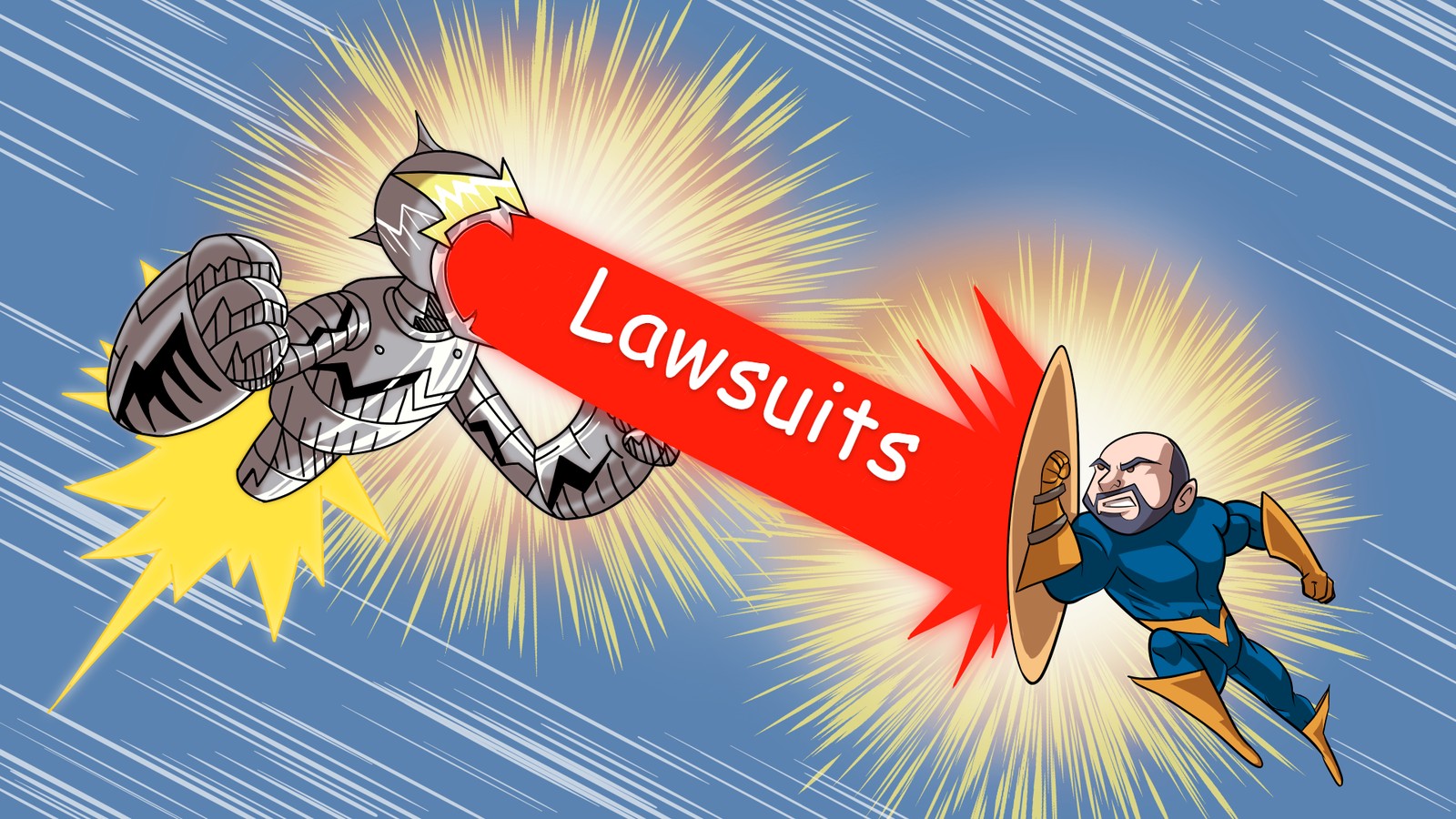
New Jersey Chapter 11 Bankruptcy Attorney
Reorganize the debt. Save the business.
Chapter 11 is the Bankruptcy Code’s reorganization chapter — built for businesses that are fundamentally viable but buried under debt, and for individuals whose finances are too large or complex for Chapter 13. Filing doesn’t shut your business down. It does the opposite: as a debtor in possession, you keep running day-to-day operations while the case restructures what you owe.
The automatic stay stops collection lawsuits, judgments, levies, and creditor pressure the day the case is filed — giving you room to operate and negotiate from a position of stability rather than panic. For qualifying small businesses, Subchapter V streamlines the process substantially: fewer requirements, lower cost, and a faster path to a confirmed plan.
The end product is a plan of reorganization: debts restructured on terms the business can actually service, burdensome contracts and leases addressed, and a company positioned to move forward.
What Chapter 11 can do.
Keep operating
You remain in control as debtor in possession. Payroll runs, customers get served, and vendors get paid on court-approved terms while the restructuring proceeds.
Stop lawsuits & judgments
The automatic stay halts collection litigation, levies, and enforcement the day we file — no more defending five fires at once.
Restructure debt & leases
Stretch payment terms, address secured loans, and assume or reject contracts and leases that no longer make sense for the business.
Subchapter V for small business
A streamlined, lower-cost Chapter 11 lane designed for small businesses — faster confirmation, fewer hurdles, and owners can retain their equity while creditors are paid from projected income.
Individuals with complex finances
High debt levels, business guarantees, multiple properties — when Chapter 13 doesn't fit, individual Chapter 11 provides the same reorganization power at a larger scale.
Negotiate from strength
Inside Chapter 11, creditors deal with you under court supervision and clear rules — not by racing each other to your bank account.
How a Chapter 11 case unfolds.
1. Strategy before filing
We analyze the business honestly: what’s viable, what’s dragging it down, what creditors will demand, and whether Subchapter V is available. A Chapter 11 succeeds or fails on pre-filing planning.
2. The case is filed Protection starts here
The automatic stay stops lawsuits, levies, and collection pressure. The business keeps operating as debtor in possession.
3. Stabilize operations
First weeks: court approvals to keep the essentials running, reporting requirements set up, and communication managed with vendors, lenders, and employees.
4. Build and negotiate the plan
We craft a plan of reorganization around realistic projections — which debts get restructured, what creditors receive, and how the business emerges. Negotiation with key creditors happens here.
5. Confirmation & emergence
The court confirms the plan, making it binding on creditors. The business exits bankruptcy with a debt structure it can live with — and its future back in its own hands.
Is Chapter 11 the right tool?
Chapter 11 tends to fit when…
- The business is viable but the debt load isn't
- Lawsuits, judgments, or levies threaten operations
- Leases or contracts need to be restructured or shed
- An individual's debts exceed what Chapter 13 can handle
- Owners want to keep control and keep operating
Consider other tools when…
- The business is winding down anyway — Chapter 7 may be cleaner
- An individual's debts fit within Chapter 13's limits
- Only one or two creditors are the problem — direct negotiation may resolve it without a filing
Every restructuring conversation starts with an honest viability assessment — including whether you need a Chapter 11 at all. Learn about out-of-court debt resolution →
Chapter 11 questions, answered.
No — that’s the defining feature of Chapter 11. You continue operating as debtor in possession. A trustee takes over only in cases of fraud or gross mismanagement, which is rare. In Subchapter V cases a trustee is appointed, but their role is to facilitate a consensual plan, not to run your company.
It varies with the complexity of the debt and the cooperation of creditors. Subchapter V cases move on a deliberately fast track — a plan must be filed within 90 days of the case beginning. Traditional Chapter 11 cases take longer. Either way, the business is operating under protection the entire time.
Not anymore. Subchapter V was created specifically to make reorganization workable for small businesses — the corner shop, the contractor, the family company. It cut the cost and complexity that used to keep small businesses out of Chapter 11.
Yes. Individuals whose debts exceed Chapter 13’s limits — often because of business guarantees or real estate — can reorganize under Chapter 11. It’s more involved than Chapter 13, but for the right situation it’s the only tool with enough capacity.
Employees keep working and payroll continues with court approval — protecting your team is usually a top priority in the first-day motions. Vendors are paid for goods and services going forward, and key supplier relationships are typically preserved because vendors want you to survive too.
★★★★★
“I recently had a mutual client with Daniel Reinganum. My representation was a great success, and I couldn’t have done it without Daniel. I will definitely refer him clients in the future.”
— William Sokol, Esq., fellow attorney
You built it once. Let's make sure it survives.
Bring me the real numbers — you’ll get a real answer about whether reorganization can work. The consultation is free and confidential.